

How to Grease and Flour Cake Pans so your cakes won't stick
Having baked more cakes than I can count, I can tell you that one of the most frustrating things in the world is not being able to get a cake out of the pan. The cake is perfectly baked and has risen beautifully. You're excited. Of all the hundreds of things that can go wrong when baking a cake, yours looks fabulous. You turn the pan over to let the cake drop out of the pan and...
Nothing happens. OR...
Only part of the cake falls out of the pan. The rest is left behind, still clinging to the pan like a shy 3-year old.
The good news? You've got yourself a delicious snack. Because if a cake really sticks to the pan, there's not much else you can do except eat it. In general, drowning your sorrows in cake is probably not a super great idea. In this case, I feel it's warranted, acceptable, and even healthy. 😊
But, I think we can all agree that the goal is to not have this problem in the first place.
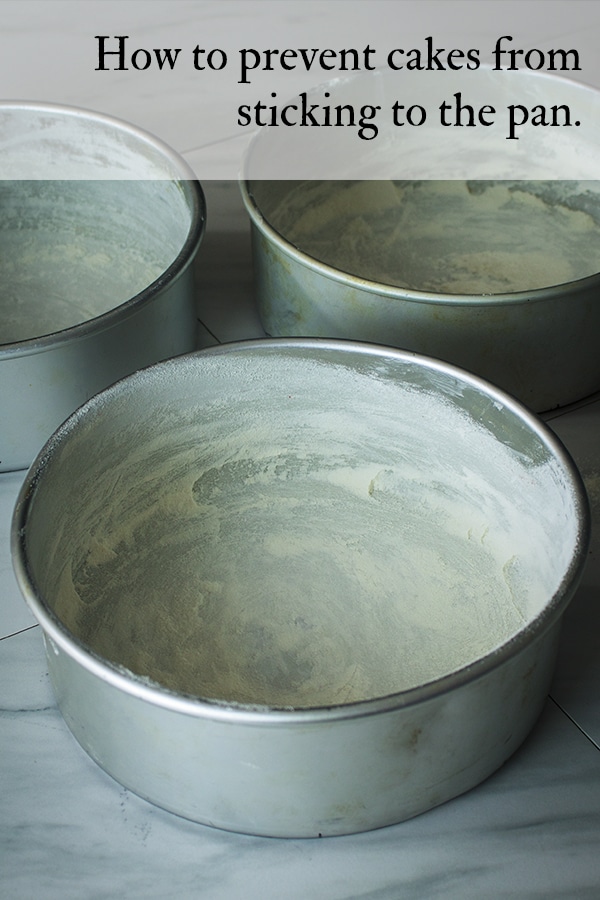
So, how do you prevent a cake from sticking to the pan?
The BEST way to prevent your cakes from sticking to the pan is to grease and flour them AND line the bottom of the pan with parchment paper.
There are several terms that get thrown around in baking under the assumption that everyone understands what the term means. But, if you're a new baker, this might not always be the case. "Grease and flour" the pan is one of those phrases. Once you know what it means, you're golden. But, if you've never baked a cake, it might be slightly vague.
Here's How To Prepare a Pan so the Cake Won't Stick:
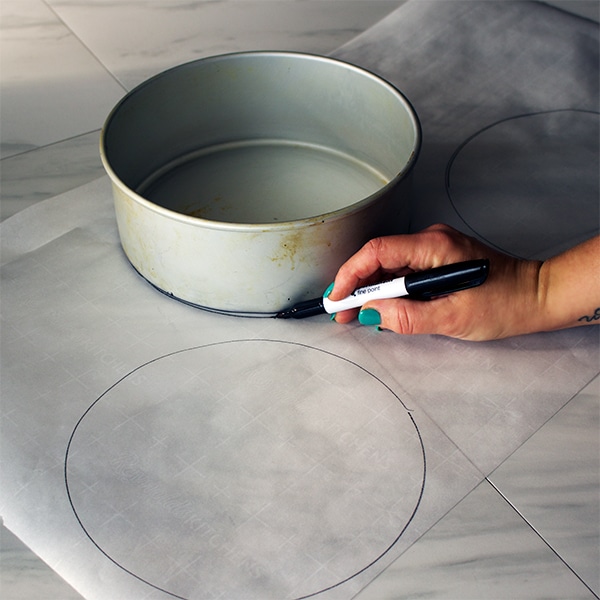
1. Cut out parchment to line the bottom of the pan.
I always, always, always line the bottom of cake pans with parchment paper whether the recipe tells me to or not. If a cake sticks a bit to the sides of the pan, you can run a knife or spatula around the edges to loosen it. But, if the cake sticks to the bottom there's not much you can do.
Roll out a sheet of parchment paper that's large enough to trace enough circles for the size and number of cake pans you'll be baking with. Then, use a sharpie to trace the bottom of the pan. Cut out the circles.
#2. Grease the inside of the pan with vegetable shortening (or butter).
Either vegetable shortening or butter work well to grease the inside of a cake pan, and for the most part, you can use whichever you prefer. Butter will impart the cake with a touch more richness and flavor, but will also cause the sides of the cake to brown a bit. Shortening won't add flavor (it won't subtract from it either), but it will not cause the sides of the cake to brown.
Personally, I've had more luck over the years greasing cake pans with shortening over butter. Water encourages the cake batter to stick to the pan, and butter is about 20% water. If you grease the inside of the pan with a generous amount of butter, the water content will likely not be a problem for you. But, most of the time, I don't want to risk it.
If you're tempted to risk it because greasing the pan with butter will add another layer of flavor, this is mostly unnecessary. The amount of flavor imparted by greasing the pan with butter is minimal if not down right undetectable. Unless the recipe specifically calls for you to grease the pan with butter, concentrate on ensuring that the batter itself is flavorful enough and use shortening to grease the pan.
To grease the inside of a cake pan, simply scoop a glob of vegetable shortening into the cake pan and use a paper towel to schemer it around, coating the inside of the pan completely. You want to make sure there's a good layer of shortening covering the bottom and sides of the pan without it being so thick that there are globs.
#3. Place the parchment round inside the pan and press it onto the bottom of the pan.
Pick up the paper towel you just used to grease the inside of the pan and rub some grease over the parchment paper as well.
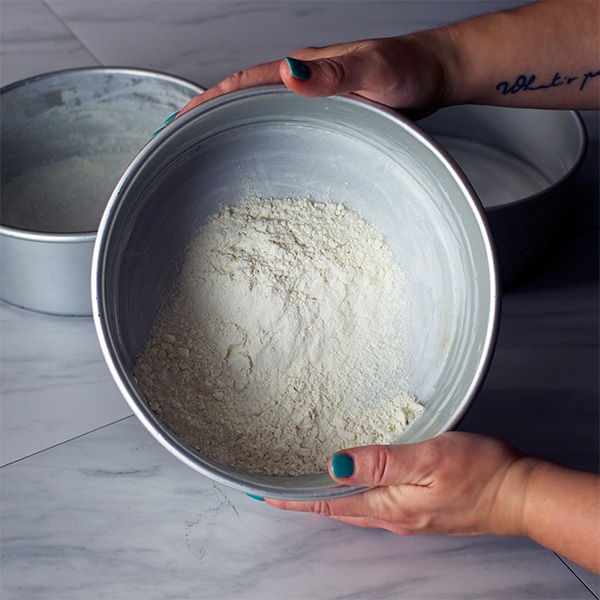
#4. Shake some flour around inside of the pan to coat.
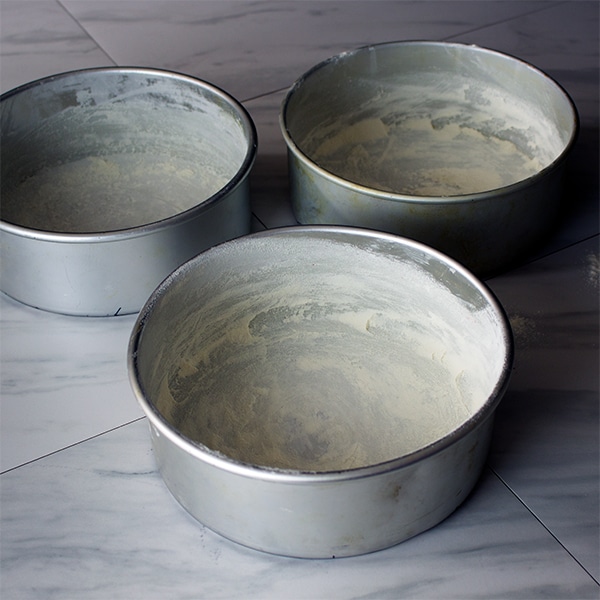
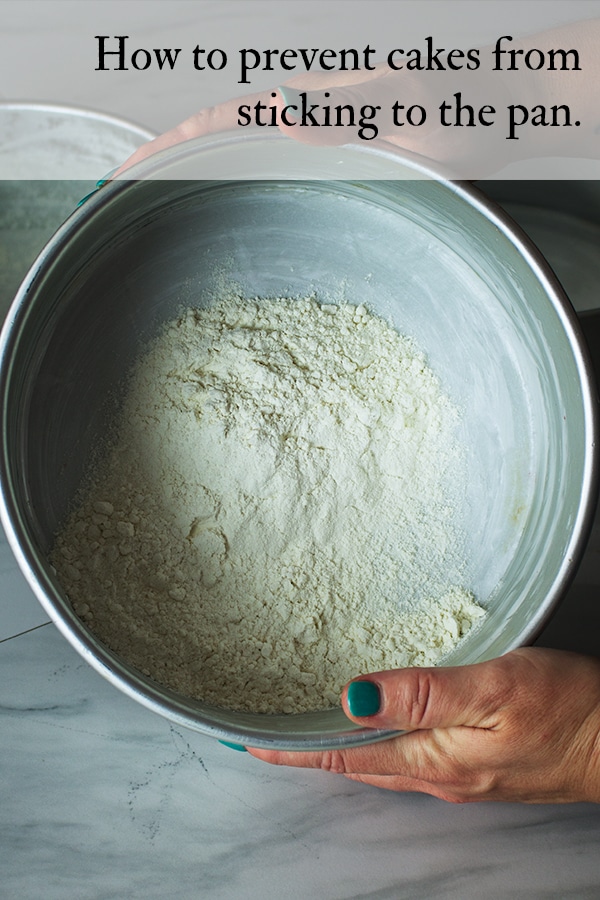
Scoop about a half cup of flour into the freshly greased pan and shake it around until there is flour coating every inch of the inside of the pan. Turn the pan over, tap out the excess flour, and you're ready to fill that pan with cake batter.
Frequently Asked Questions about preventing cakes from sticking to the pan:
Q: I have non-stick cake pans. Should I still grease and flour them?
A: I would. Cake pans with a non-stick surface will certainly help you to ensure that your cakes will come out of the pan cleanly. But, skipping the greasing and flouring altogether means putting more trust in that non-stick surface than I can generally muster.
Q: Do I have to grease AND flour cake pans for every kind of cake? Will some cakes come out ok if I only grease the pan?
A: You know the phrase "trust, but verify"? If a recipes says to only grease a pan, that's the kind of logic you want to follow. Read the recipe - does the author offer a reason why you only need to grease the pan? If it's a blog recipe, are there any comments about the cake sticking to the pan? Do a quick google search for similar recipes. Do they call for greasing and flouring the pan or only greasing it?
After all that, if you're still feeling uncertain, go ahead and grease, flour, and line the cake pan whether the recipe tells you to or not. The steps of cutting out parchment paper and flouring the pan will only take you a few extra minutes. The alternative - a cake that won't come out of the pan - will cost you a heck of a lot more time (and ingredients!) then being a bit precautious up front.
Q: Can I use non-stick spray to grease the pan instead of vegetable shortening or butter?
A: I'm not gonna lie. I've done this a time or two out of shear laziness. Sometimes it works out fine and sometimes it doesn't. If you love games of Russian roulette, this might be the kind of experience you're looking for. Will it come out of the pan or won't it? Oooooohhhhh, the suspense.
Personally, this isn't the kind of excitement I'm generally after. Mostly I just want to know for sure that the cake will come out of the pan. If you agree, grease the pan with vegetable oil or shortening, line it with parchment paper, and coat the inside with flour.
My favorite cake pans:
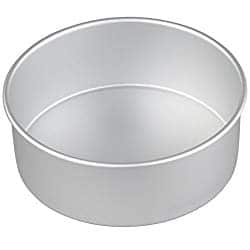
I like to use Wilton Cake pans that at least 2-inches deep, and preferably 3-inches deep. You can purchase cake pans that are more shallow, but might run the risk of having cake batter spill out over the sides of the pan onto your oven. This is not a fun situation, so I generally just use deep cake pans.
If you’re looking for a go-to vanilla cake recipe for wedding cakes, birthday cakes, shower cakes, anniversary cakes, or just because cakes, that will have everyone who tastes it coming back for more, this is it. This Apple cake is absolutely bursting with warm apple flavor thanks to concentrated Apple Cider Syrup, shredded sour apples, and a touch of cinnamon, nutmeg, and allspice. Apple Cider Buttercream delivers even more apple flavor and a thick, velvety layer of Dark Chocolate Ganache covers the cake with a blanket of bittersweet luxury. Rich caramel cake covered in a thick layer of silky smooth, not-too-sweet salted caramel Italian meringue buttercream. This delicate, moist Champagne Cake is packed with flavor, filled with strawberries, & iced with Champagne Italian Meringue Buttercream. Olive Oil cake is exceptionally moist and flavorful, with a fine, tender crumb that’s not too sweet and positivly delicious. On it's own, it's one of my all-time favorite cakes, but split in half and filled with a thick layer of Lemon Mascarpone Pastry Cream takes it to a whole other level of YUM. Don’t let the sprinkles fool you. This moist and tender all-butter Funfetti Cake is more than just a pretty face with a party attitude. For all it’s lighthearted whimsy, this is one of the most seriously delicious cakes I’ve ever eaten. Buttery three-layer Red Velvet Cake or Red Velvet Cupcakes, slathered with Perfect Cream Cheese Buttercream and drizzled with Chocolate Ganache. This recipe creates super fluffy and tender cake, with just the right amount of chocolate flavor and red color. The best banana cake I've ever eaten, filled with banana pastry cream and covered in cream cheese buttercream. Just like Coconut Cream Cake, this cake is soft, buttery, tender, creamy and dreamy. This sinfully dark chocolate Devil's Food Cake is so obscenely rich and fudgy that it elevates chocolate cake to a whole new level of decadence. Being bad never felt so good. Tart, crisp apples suspended in tender vanilla spice cake with a crunchy sugar topping and creamy vanilla custard sauce. This cake is on the must-bake list at our house every year around St. Patrick’s Day, but honestly, we make it much more often than that. Layer after layer of buttery yellow cake doused in Limoncello are stacked tall, separated with lemon curd, and iced with Blackberry Italian Meringue Buttercream. This 8-layer cake is spring on a plate and as delicious as it is impressive. This coconut cake is light, tender, and exceptionally soft and fluffy. Filled with a super thick layer of coconut cream and covered in coconut buttercream, every bite is so rich and creamy it practically melts in your mouth. classic yellow cake recipe with chocolate italian meringue buttercream. This moist, richly flavorful, classic yellow cake is smothered in a thick layer of Chocolate Italian Meringue Buttercream and decorated with Chocolate Ganache and loads of sprinkles. Every bite of this Black Forest Cake is loaded with creamy chocolate and juicy cherries. Three deep, dark, rich and chocolaty Devil’s Food cakes are doused with cherry liquor, layered with sweetened vanilla whipped cream and tart Morello cherries, and topped with dark chocolate ganache. If you’re a chocolate and cherry lover, get ready to swoon. This is by far the best carrot cake I've ever eaten. The recipe has been tested and perfected over several decades and can be used to bake Carrot Cake Layer Cake, Bundt Cake, or Cupcakes. The cake is delicious enough to be served on its own, but my favorite way to eat it is slathered with Cream Cheese Buttercream & Salted Caramel Rum Sauce. Blueberry sauce is swirled into tender butter cake and topped with a generous layer of New York style crumbs for a blueberry crumb cake that’s perfectly at home at the breakfast table, next to your afternoon mug of coffee or tea, or sliced up and served for dessert after dinner.A few of my all time favorite cake recipes:
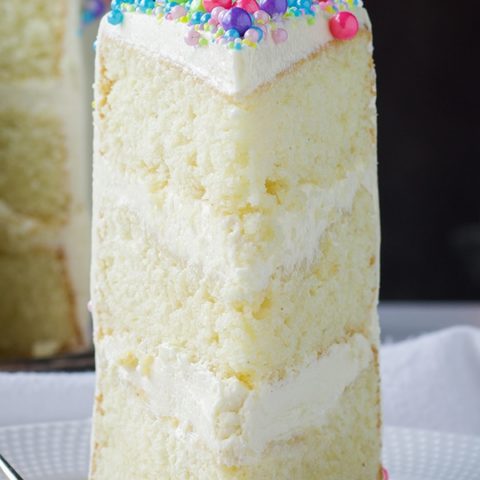
The Most Flavorful Vanilla Cake Recipe
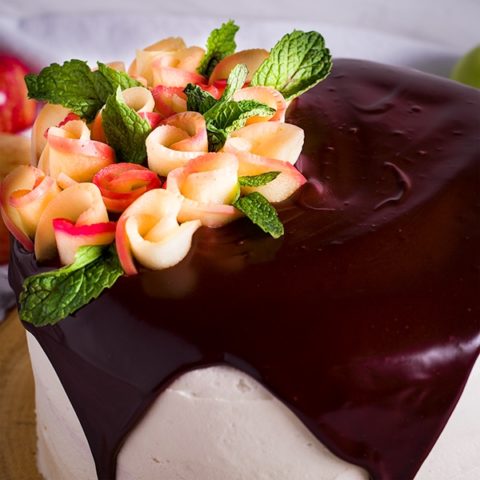
Apple Cake with Cider Buttercream and Chocolate Ganache
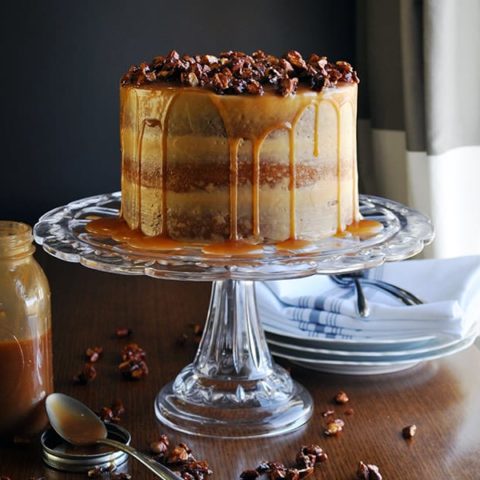
Caramel Cake with Salted Caramel Italian Meringue Buttercream
Champagne Cake with Champagne Italian Meringue Buttercream
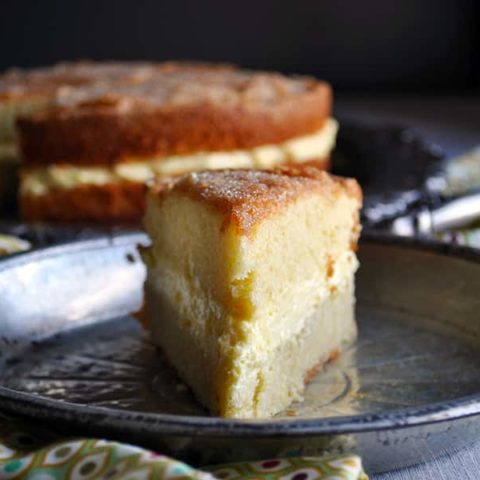
Olive Oil Cake with Lemon Mascarpone Cream
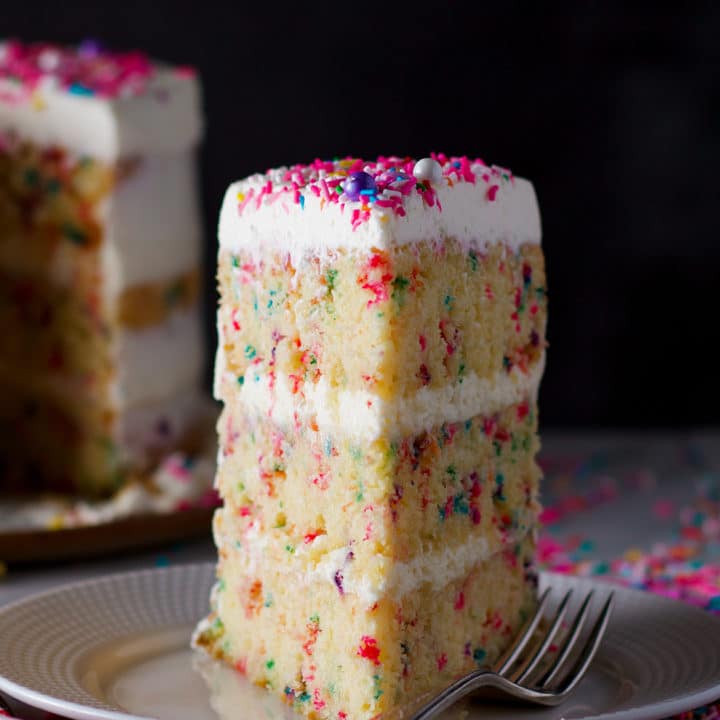
Funfetti Cake or Cupcakes {All-Butter Recipe}
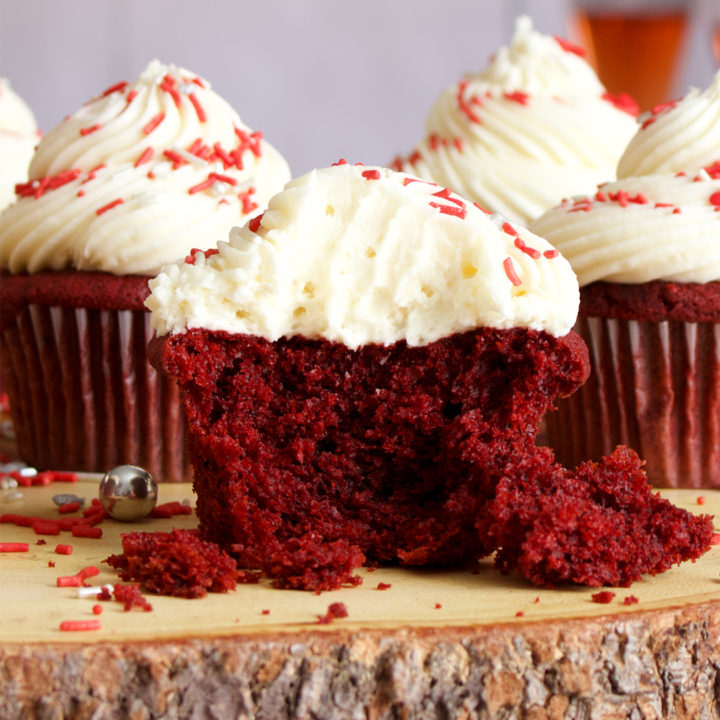
Red Velvet Cake or Cupcakes with Cream Cheese Buttercream & Ganache
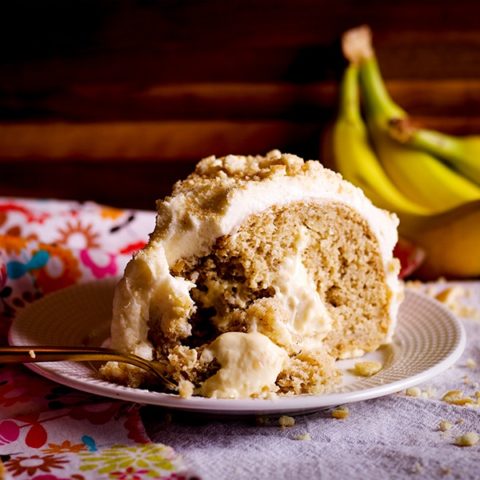
Banana Cream Cake with Cream Cheese Buttercream
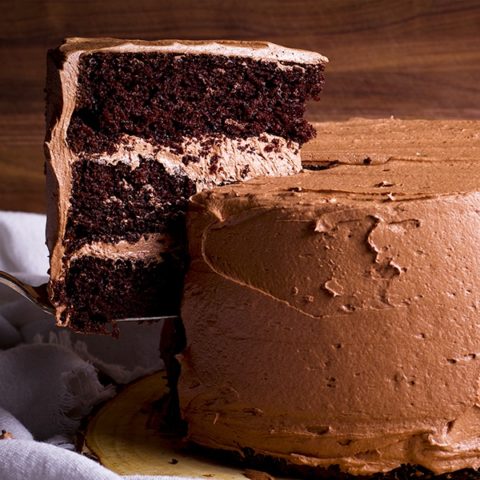
Devil's Food Cake
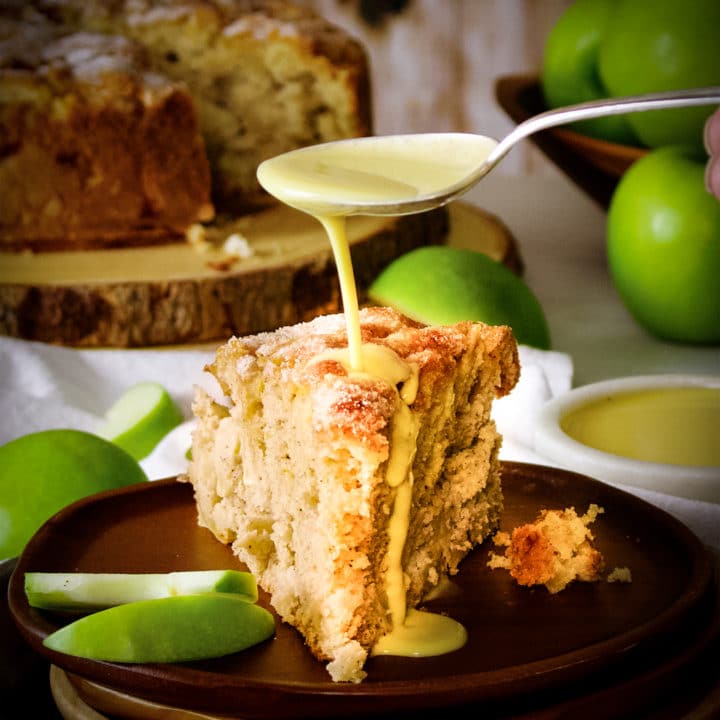
Irish Apple Cake with Custard Sauce
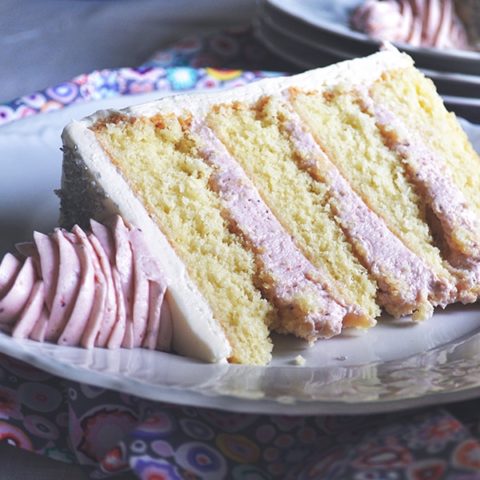
Lemon Layer Cake with Blackberry Italian Meringue Buttercream
Coconut Cream Cake
Moist Yellow Cake with Chocolate Buttercream
Black Forest Cake
The BEST Carrot Cake - Layer Cake, Bundt Cake, or Cupcakes
Blueberry Crumb Cake
Kathy Banks says
I have recently baked 3 different flavors of Duncan Hines boxed cake. Each time I used different pans; round, bundt, and loaf pans. Each time the cake stuck. I used Pam and even used flour with one, but they still stuck. Could they be too moist? Sometimes I use pudding or jello to enhance flavor.
Rebecca Blackwell says
Hmmm... A couple of questions for you Kathy: Are you using parchment paper on the bottom? Have you tried to grease the pan with shortening, then coat the pans with flour? In general, if you coat pans with a generous layer of shortening and then coat the inside with flour, you should be good no matter how moist the cake is. So, if you've tried that and they still stuck, my next question is, what kind of pans are you using?
Angela Hatton says
hi i made a really lovely poppy seed cake in a bundit tin greesed the tin well but when I took it out I only got half a cake tastrd lovely though not sure if I took it out to soin as the cake was still warm my question is could I line it with cling film or would that not work
Rebecca Blackwell says
Removing cakes from a bundt pan can be tricky- especially if the cake is super moist. Did you only grease the pan or did you also flour it?