

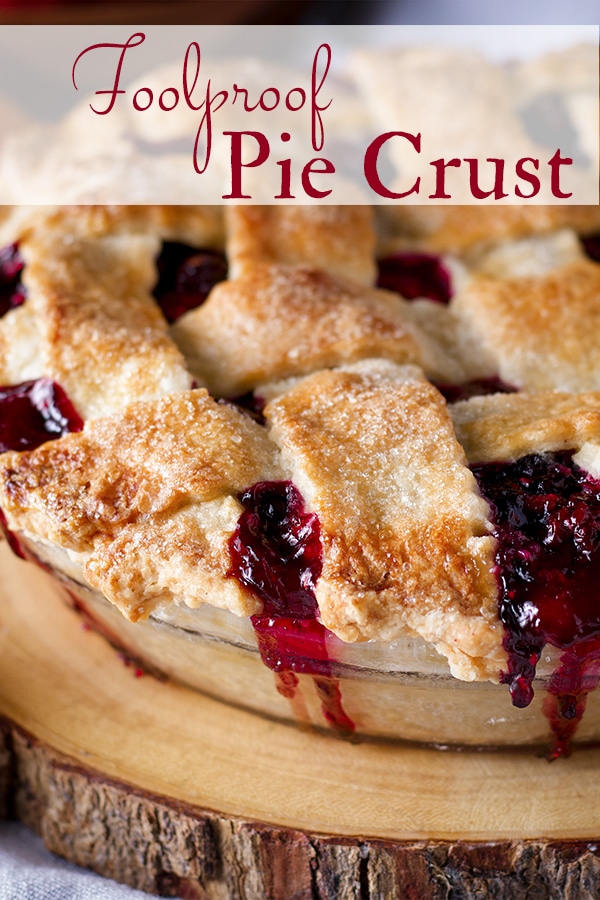
This has been my go-to homemade pie crust recipe for over 25 years. I've used it to make hundreds of pies of every variety and it hasn't failed me yet.
This crust is tender, flaky, and flavorful. And, the dough is so easy to work with that it's earned the name "foolproof".
"Thank you so much for this recipe! I have been trying for decades to master the pie crust and this time I did! Tender, flaky, perfect!" - Linda Jo
My Favorite Homemade Pie Crust Recipe
"This really is a fool proof pie crust. I have messed up every other pie crust recipe I’ve tried - and I’ve tried them all. I usually end up with dough that too sticky, too dry, or cracks when I roll it... until now!!! You have nailed this recipe - Thank you! I used this for an apple pie and as a crust for a chicken pot pie and they both were absolutely delicious. This is the only recipe I will ever use!" - Valerie
From-scratch pie crust has a reputation for being tricky and temperamental. But, the truth is, making a deliciously flaky homemade pie crust is not difficult.
The most common problems people have when making homemade pie crust are:
- The dough is too crumbly
- It breaks when pressing it into the pan
- The crust shrinks in the pan as it bakes
- The crust is tough (not tender and flaky) after baking
This Foolproof pie crust recipe prevents these problems with the addition of two simple ingredients: a touch of vinegar and an egg.
Why does this pie crust recipe include vinegar?
Vinegar does three fantastic things for pie crust dough:
- It keeps the dough tender
- It prevents the dough from shrinking as it bakes
- It keeps the dough fresh for longer
Vinegar creates a tender pie crust
Just one tablespoon of vinegar in this recipe acts as a safeguard for overworking the dough. In most pie crust recipes, you must take extreme care to not overwork the dough because doing so can result in pie crust that's tough rather than tender.
In this recipe, the vinegar acts as a kind of insurance against overworking the dough so that you get a super tender and flaky crust every single time.
Having said that, it's still important to handle the dough with care. The key to a flaky, tender crust is to not allow gluten to develop in the dough. If you knead pie crust dough like you might with homemade bread dough, you will end up with a tough pie crust regardless of whether or not you added some vinegar.
Vinegar helps prevent pie crust from shrinking as it bakes
If you've ever had a pie crust shrink as it bakes, you know how frustrating this problem can be.
You fit the dough into the pie plate, crimping the edge along the top of the dish only to take it out of the oven and see that the edge of the crust has shrunk halfway down the sides of the pan while baking. So frustrating.
Vinegar to the rescue! Shrinkage happens because the gluten in the flour is too tightly wound.
As the crust bakes, those tight strands of gluten constrict, pulling the dough in. The acid in vinegar helps keep the gluten in the flour relaxed and thus, safeguards agains shrinkage.
Using shortening instead of butter will also help the dough hold its shape as it bakes. More about that in a bit.
Vinegar keeps pie crust fresh for longer
This dough will keep for days in the refrigerator, thanks to that splash of vinegar. If you allow pie crust dough to sit in the refrigerator for a day or two, it can oxidize and develop a grayish color.
Aside from being slightly off-putting, gray dough will not hurt you. However, the oxidation process will cause the dough to be kind of slack and floppy, making it difficult to work with and unable to hold its shape as well while baking.
Vinegar prevents this oxidation process, keeping the dough fresh for as long as 5 days if it's tightly wrapped and stored in the refrigerator.
Why does this pie crust recipe include an egg?
Adding an egg to pie dough contributes flavor and richness, causes a slightly better color and browning, and gives the baked crust a more tender mouth feel. In other words... adding an egg makes pie crust taste better.
The other thing that just one egg does for pie crust is make it easier to roll out. The protein in the egg makes the dough more pliable, guarding against breakage and giving it a nice elasticity that makes it so much easier to work with.
This dough is quite elastic and rarely breaks, and when it does, it’s super easy to stretch and press as needed to cover the inside of a pie plate or the top of a pie.
Should you use shortening or butter in pie crust dough?
This is a very difficult question to answer, and in the end, doesn't really matter all that much because both vegetable shortening and butter in this recipe will result in a gorgeous, flavorful crust. Use whichever you prefer, but here's the pros and cons of each...
The pros of using vegetable shortening to make pie crust:
- Shortening doesn't melt as easily as butter, making it easier to incorporate into pie dough and roll out.
- Pie crust dough made with vegetable shortening will hold its shape better during baking, meaning that your beautifully crimped edges will have a greater chance of staying beautiful while the pie bakes.
- Pie crust made with shortening tends to be flakier than those using butter.
The pros of using butter to make pie crust:
- Flavor. The main reason to use butter instead of shortening is because you want the crust to taste buttery. Please note that pie crust made with shortening will still be absolutely delicious - but, it won't taste "buttery" unless you use butter.
- Because butter contains more water than shortening, crusts made with butter tends to be lighter than those made with shortening.
How to roll out and fit pie crust dough into a pie plate
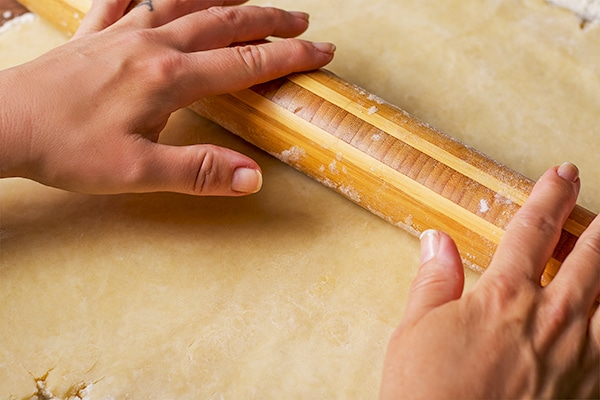
#1. After mixing and chilling the dough, divide it into quarters. Work with one quarter at a time and leave the rest of the dough wrapped so it doesn't dry out. Sprinkle some flour over a clean work surface. Keep about ½ cup of additional flour within arm's reach.
Put one piece of the dough on the floured work surface and sprinkle the top with more flour. Roll the dough out into a 14-inch circle. I like to use a long rolling pin with tapered ends for this process.
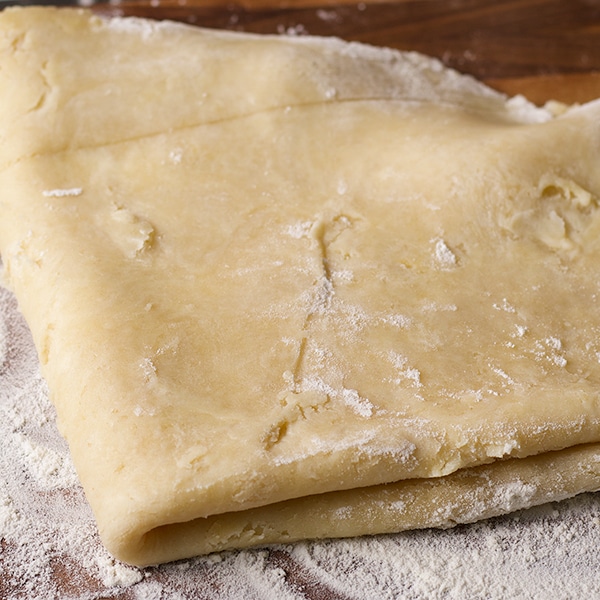
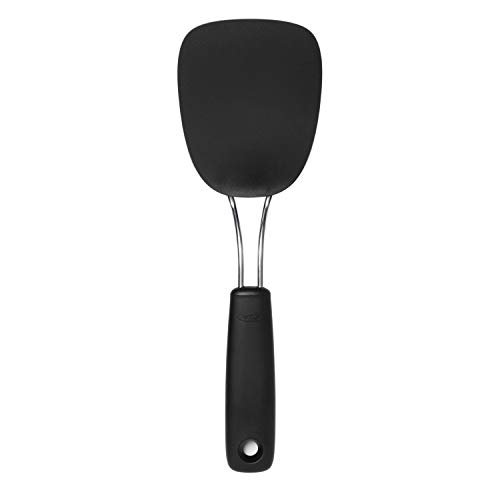
#2. Using a large, flat spatula, gently fold the pastry in half and then in half again so that you have a folded triangle of dough.
#3. Place the dough in a pie plate so that the point of the triangle is in the center of the pan.
Gently unfold the pastry to cover the pan and use your fingers to press the dough into the corners of the pan, letting the edges of the dough drape over the sides of the pan.
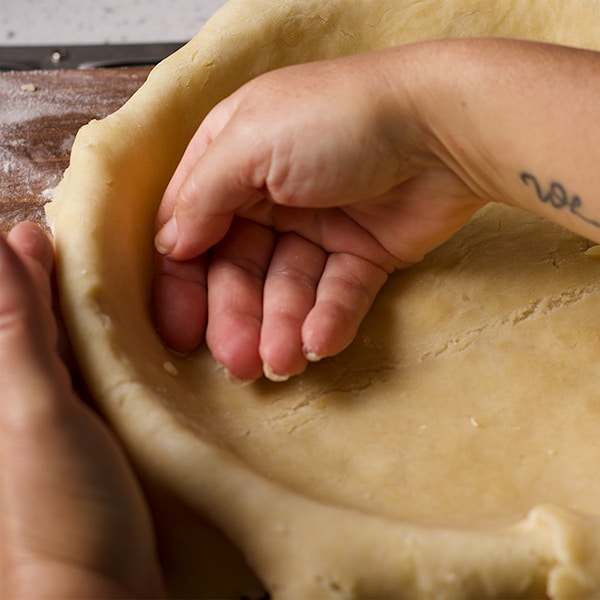
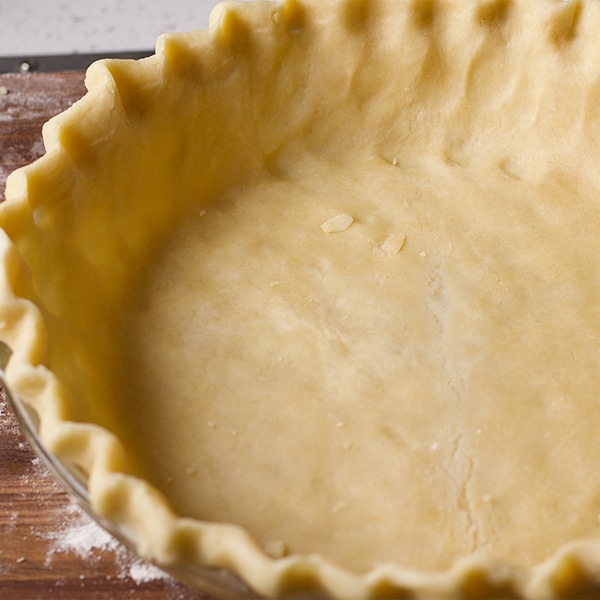
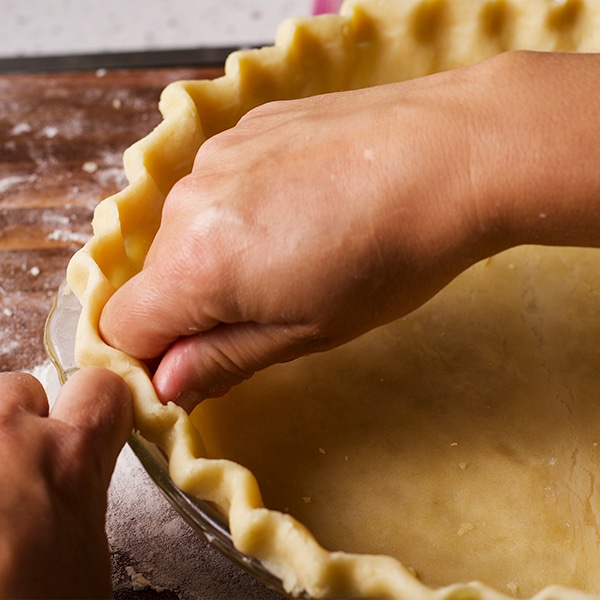
#4. If you have more than about 1-inch of dough hanging over the edge of the pan, trim it off. Fold the dough that's hanging over the edge of the pan under itself so you have a cylinder that rests on the edge of the pie plate.
With one hand on the inside of the edge, and one hand on the outside, use the index finger of your inside hand to push the dough between the thumb and index finger of your outside hand to form a U or V shape. Continue this crimping motion around the entire edge.
The pastry is now ready to be filled and baked.
Homemade Pie Crust FAQs
Many pie recipes call for a pre-baked or partially pre-baked pie crust. Baking the crust before filling it is easy to do. Here are step-by-step instructions for how to pre-bake a pie shell.
Foolproof pie crust dough will remain fresh in the refrigerator for up to 5 days. Make sure the dough is tightly wrapped in plastic wrap or in a zip-top bag or another air-tight container.
This foolproof pie crust dough can be frozen for up to three months.
Form the dough into a ball and wrap tightly with plastic wrap, then place in a freezer zip-top bag. Let the dough thaw overnight in the refrigerator before rolling out and baking.
You can also roll the dough out before freezing it. Lay the rolled out dough on a baking sheet, cover with plastic wrap, and let freeze for a few hours until solid. Once solid, you can remove the dough from the baking sheet, wrapping it tightly before placing it back in the freezer.
Nope. Not even a little bit. The recipe makes quite a bit of dough - enough for 2 double crust pies - and only calls for 1 tablespoon of vinegar. That one tablespoon is enough to keep the crust nice and tender, but not enough to make the pie crust taste like vinegar.
Yes! It's the acid in the vinegar that keeps this pie crust tender, so any kind of vinegar will work.
However, I'd stay away from vinegars that have color, like balsamic vinegar. I'd also avoid vinegars with a particularly strong flavor, or any kind of added flavoring.
Even though there's only a tablespoon of vinegar in this entire recipe, using a flavored vinegar or one with a concentrated, potent flavor, might result in an off-putting taste. I'd suggest sticking to mild vinegars such as white distilled, unseasoned rice vinegar, apple cider vinegar, and white wine vinegar.
This recipe makes 4 pie crusts, enough for 2 double crust pies. The dough freezes well (see tips for freezing above and in the recipe notes), so if you don't need that much, you can always freeze the extra.
However, you can also easily cut the recipe in half. When I cut this recipe in half, I usually still use one whole egg, reducing the amount of water slightly to make up for the fact that the egg contributes moisture to the dough. Here are the amounts:
2 cups of flour
½ - 1 tablespoon of sugar
1 teaspoon salt
¾ cup plus 2 tablespoons vegetable shortening
2 teaspoon vinegar
1 whole egg
3 tablespoons ice water
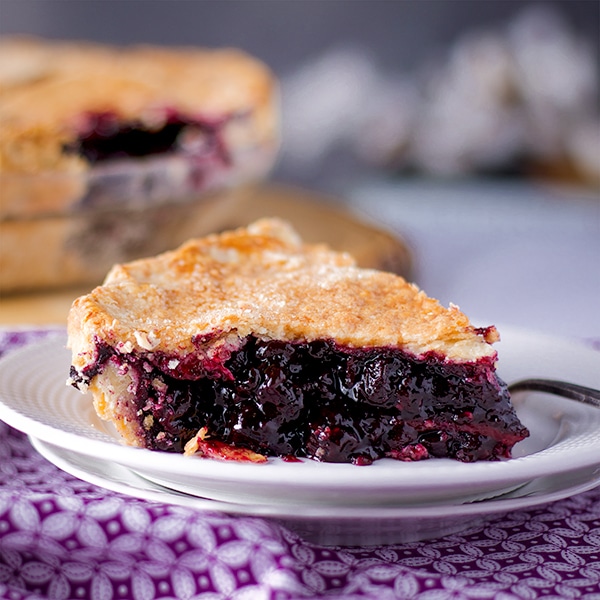
My other favorite pie crust recipe is Almond Pie Crust
Foolproof pie crust is my go-to recipe. However, when I'm making a cream pie, like this Chocolate Cream Pie or Coconut Cream Pie, I usually use this Toasted Almond Pie Crust.
The nutty flavor and super crispy texture of Toasted Almond Crust is sublime with the rich creamy texture of a cream pie.
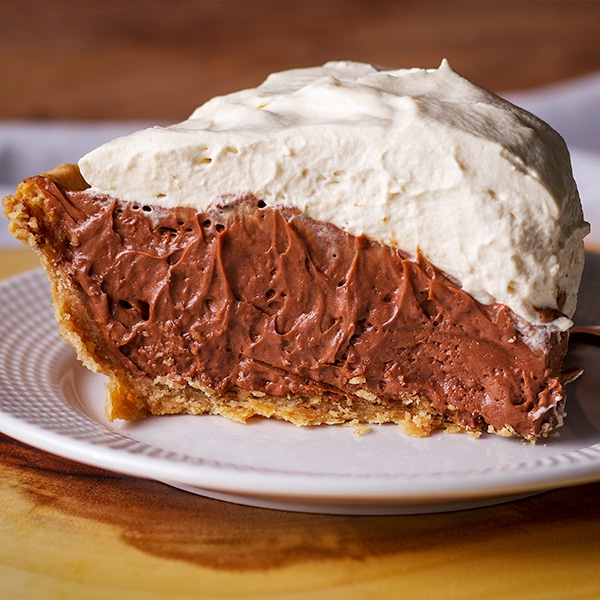
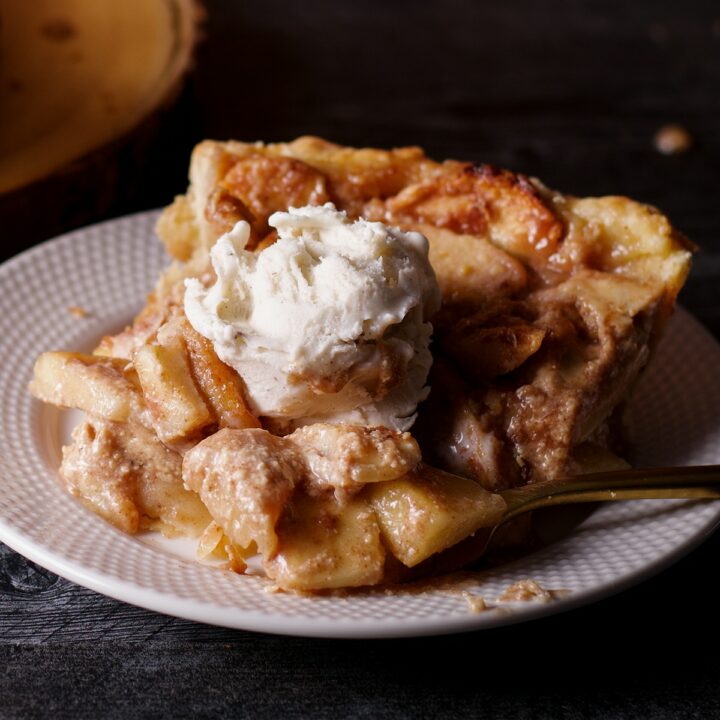
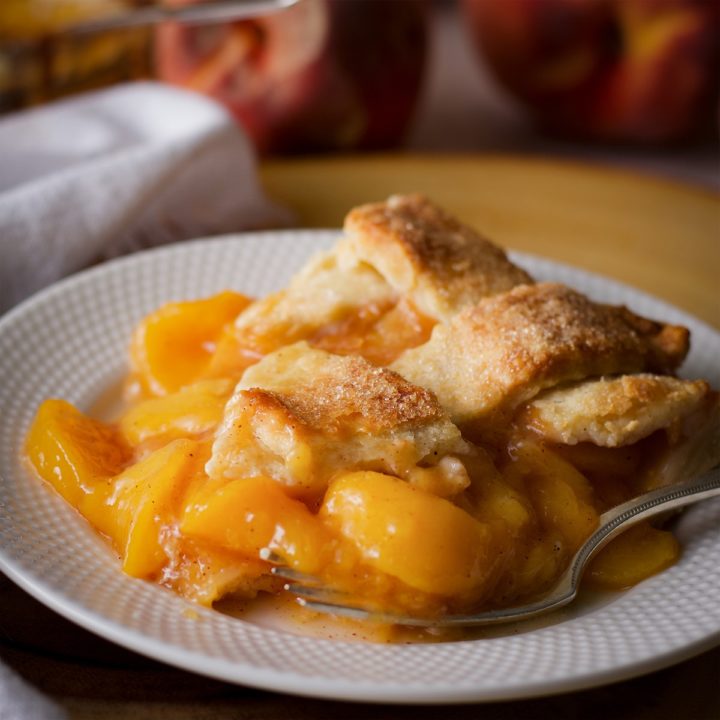
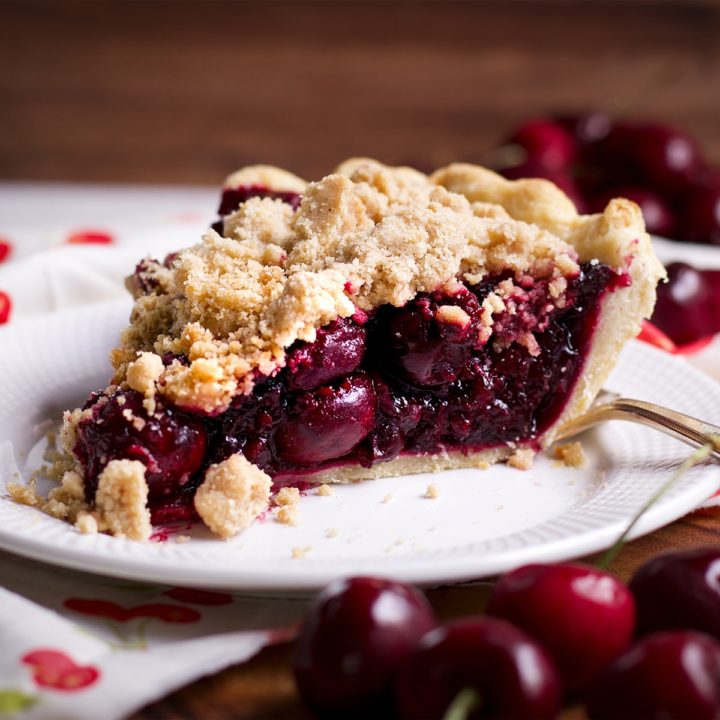
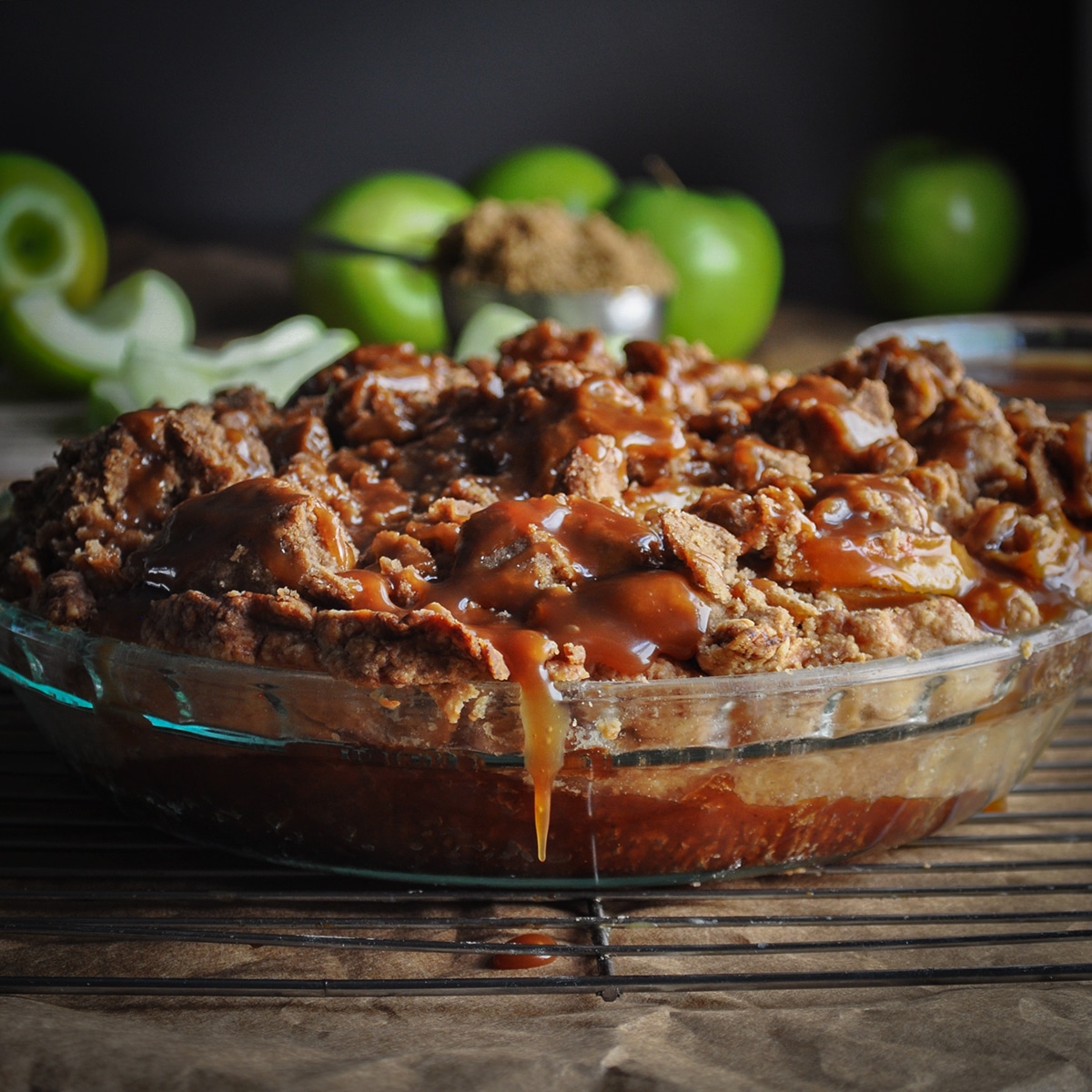
Best Pies to Make with this Pie Crust Recipe
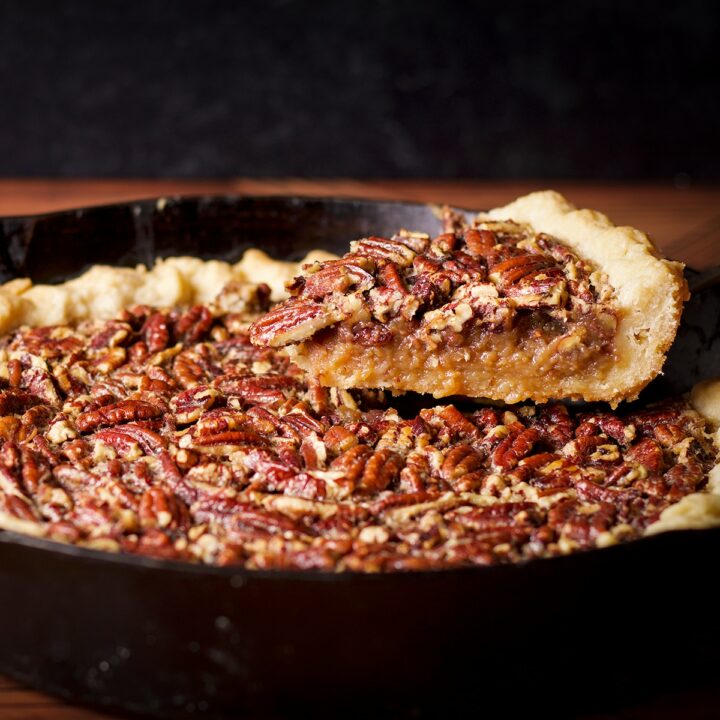
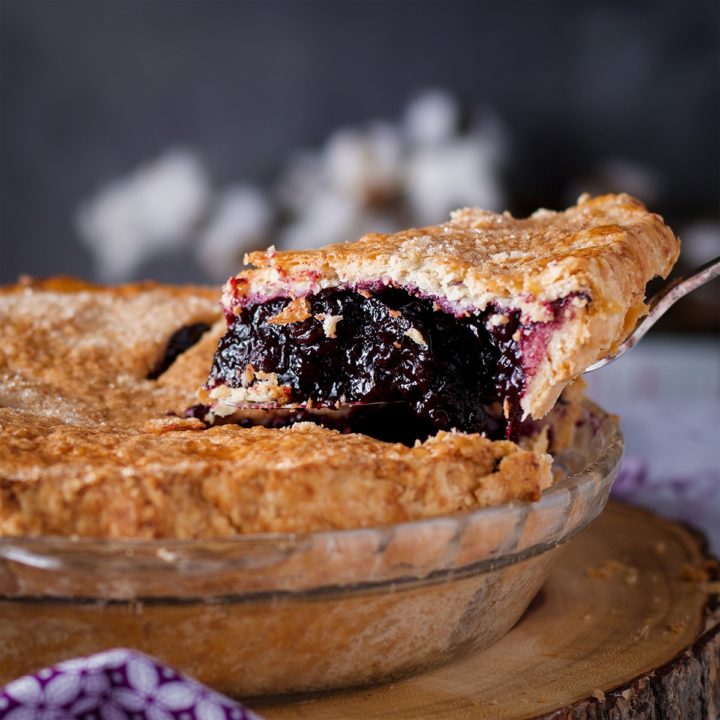
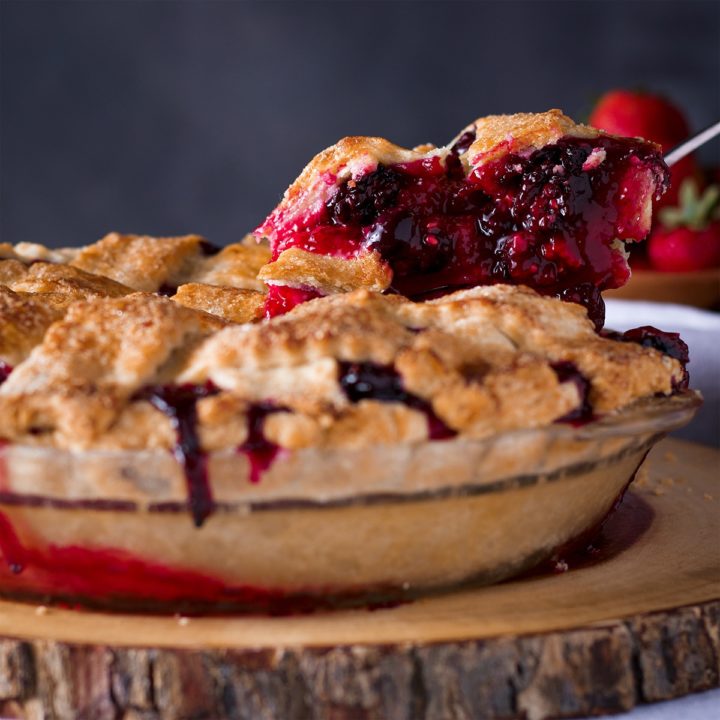
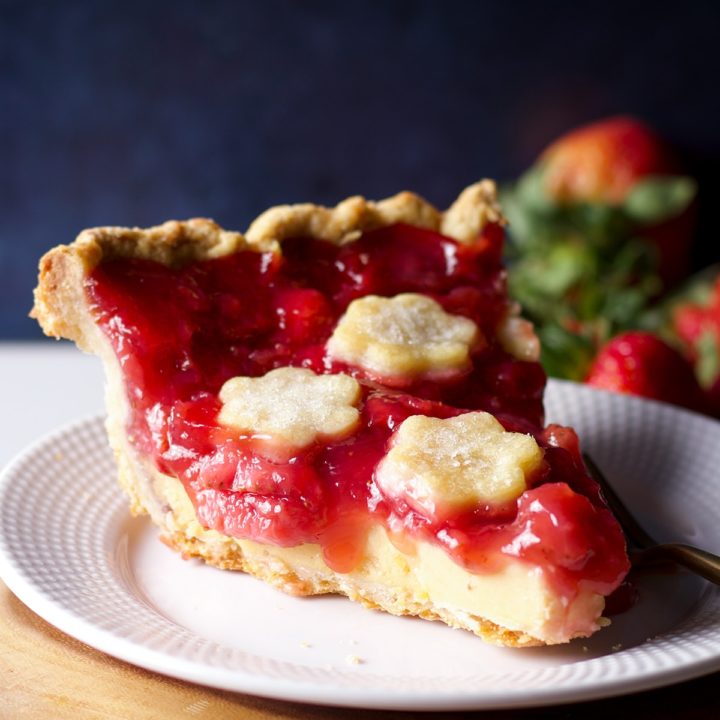
Fool Proof Pie Crust is a Building Block Recipe
Building block recipes are tried-and-true recipes that I consider foundational to great home baking. They are the kind of recipes I come back to over and over again, sometimes baking them as is, but often using them as a jumping off point to create something new. > Scroll through all Building Block recipes.
📖 Recipe
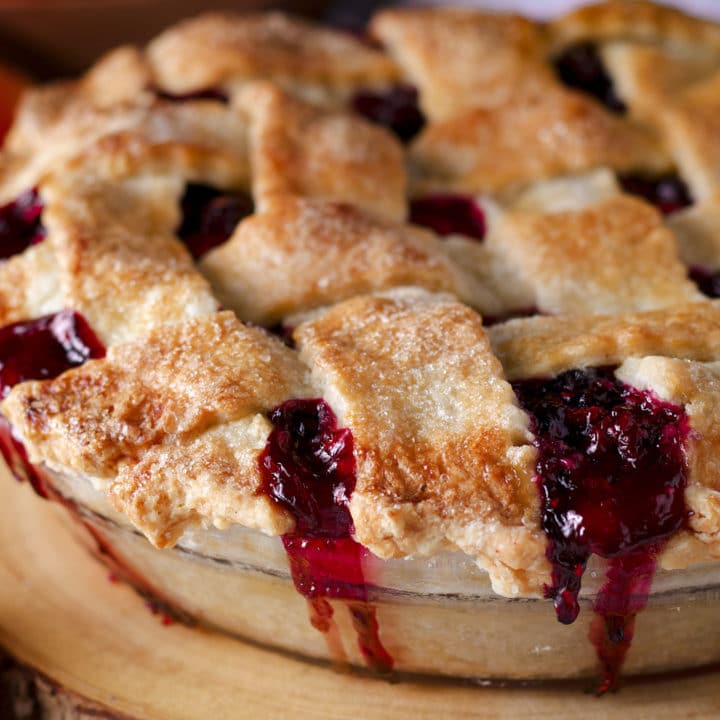
Foolproof Pie Crust {Flaky, No-Fail Recipe}
This has been my go-to pie crust recipe for the past 25 years. I've used it to make hundreds of pies of every variety and it hasn't failed me yet. It's tender, flaky, flavorful, extremely easy to work with, and truly worthy of the name "foolproof".
Ingredients
- 4 cups (480g) all-purpose flour
- 1–2 tablespoons (12-24g) sugar (I like to use 2 tablespoon for sweet pies and 1 tablespoon for savory pies)
- 2 teaspoon salt
- 1 ¾ cups (322g) solid vegetable shortening - OR - 1 ¾ cup (395g) cold unsalted butter (*See note)
- 1 tablespoon white vinegar (*See note)
- 1 egg
- ½ cup (118ml) ice water
Instructions
- Add the flour, sugar, and salt to a large bowl and stir with a wire whisk to combine.
- Add the shortening and use your fingers to rub it into the flour until the flour is coated with the shortening. You'll have some pieces of shortning that are larger, about the size of a blackberry, but most of it will be rubbed into the flour.
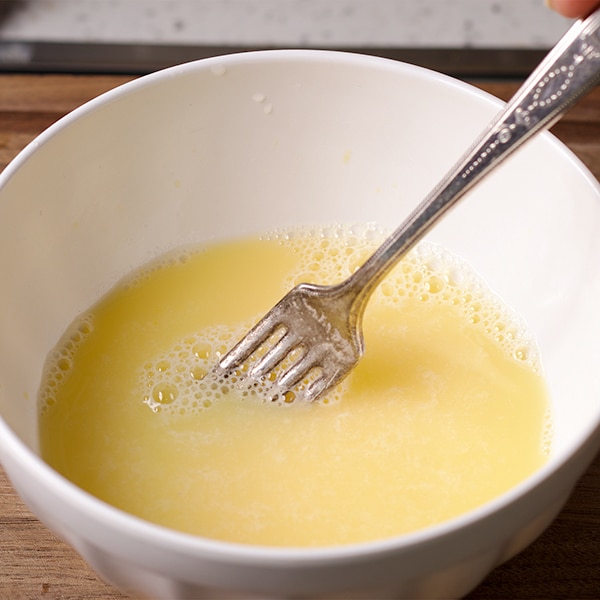
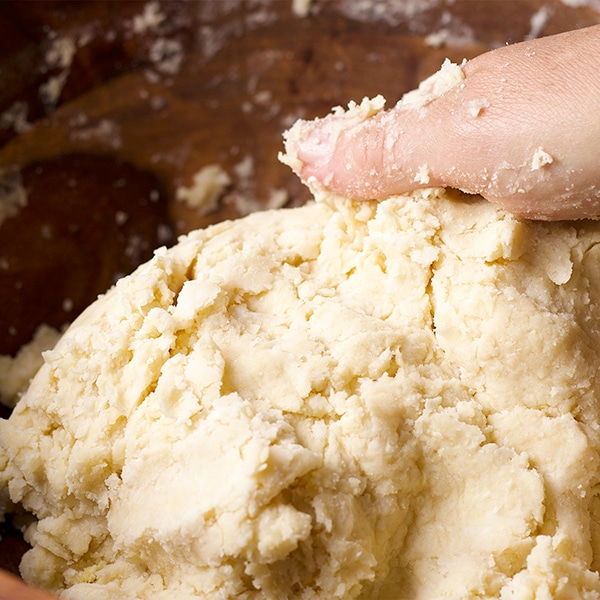
- In a small bowl, whisk together the vinegar, egg, and water. Pour the liquid into the flour mixture and use your hands to gently toss the ingredients together, until all the flour is moistened and the dough is starting to come togehter. Do not knead the dough - work it gently. (If the dough isn't coming together and appears dry, add more water, one teaspoon at a time.)
- Gather the dough into a ball, wrap in plastic wrap or put it in a ziptop bag, and chill in the refrigerator for at least 30 minutes and up to 5 days. The dough is now ready to roll out and use in any recipe.
To line a pie plate with dough:
- Roll the dough on a lightly floured surface into a 14-inch circle. Run a large spatula or dough scraper under the dough as you roll to ensure your crust is not sticking to your rolling surface. Add additional flour as necessary.
- To place the dough in your pie plate, fold the dough in half (I use a large, flat spatula for this task) and then fold it over again, making a triangle.
- Place the dough in the pan with the tip of the triangle in the center of the pan. Unfold and gently press into the pan, making sure the crust is snug in the corners of the pan.
- Trim the excess dough from the edges, leaving enough to create a nice high edge to your pie, about an inch of overhang.
- Fold the overhang under itself so you have a cylinder that rests on the edge of the pie plate.
- With one hand on the inside of the edge, and one hand on the outside, use the index finger of your inside hand to push the dough between the thumb and index finger of your outside hand to form a U or V shape. Continue this crimping motion around the entire edge.
--> Here's How to Pre-Bake or Partially Pre-Bake a Pie Crust.
Notes
Substitutions for white distilled vinegar:
You can use another mild vinegar such as unseasoned rice vinegar, apple cider vinegar, or white wine vinegar.
Should you use Shortening or Butter to make Homemade Pie Crust?
Using butter will result in a lighter, buttery-tasting crust. Using shortening will result in a crust that holds its shape better, is easier to work with, and is flakier.
1 ¾ cups vegetable shortening = 322g
1 ¾ cups cold butter = 28 tablespoons/ 395g
How to store and freeze this pie crust dough:
This dough will keep in the refrigerator, well wrapped, for 5 days.
Freezing this pie dough: This pie crust dough can be frozen for up to three months. Form the dough into a ball and wrap it tightly with plastic wrap, then place it in a freezer zip-top bag. Let the dough thaw overnight in the refrigerator before rolling out and baking.
You can also roll the dough out before freezing it. Lay the rolled-out dough on a baking sheet, cover it with plastic wrap, and let freeze for a few hours until solid. Once solid, you can remove the dough from the baking sheet, wrapping it tightly before placing it back in the freezer.
To cut the recipe in half, use the following amounts:
- 2 cups (240g) of flour
- ½ - 1 tablespoon (6-12g) of sugar
- 1 teaspoon salt
- ¾ cup plus 2 tablespoons (161g vegetable shortening)
- 2 teaspoon vinegar
- 1 whole egg
- 3 tablespoons (44ml) ice water
Recommended Products
As an Amazon Associate and member of other affiliate programs, I earn from qualifying purchases.


Nutrition Information:
Yield: 24 Serving Size: 1 slice of a double crust pieAmount Per Serving: Calories: 238Total Fat: 15gSaturated Fat: 6gTrans Fat: 0gUnsaturated Fat: 8gCholesterol: 16mgSodium: 197mgCarbohydrates: 22gFiber: 1gSugar: 6gProtein: 2g
Timothy Krantz says
Do you pre bake this crust?
Rebecca Blackwell says
Hi Timothy! You can prebake this crust, if the pie recipe you are making calls for it. In case the recipe calls for it, here's how to pre-baked or partially pre-baked this crust.
karen says
Lard has been mentioned locally rendered lard is very plentiful in my small ecuador town do I use the same amounas butter, cold?
Rebecca Blackwell says
Hi Karen! Yes! You can use lard in this piecrust recipe in the same amount as butter - 1 3/4 cup or 395 grams. Please let me know if you have any other questions!
Kelly says
Hi, I don’t know if you or anyone has tried this with a 1:1 gluten free flour… but if I tried it, would I leave out the vinegar because there is no gluten to work against ? Thanks much !
Rebecca Blackwell says
Hi Kelly! A touch of vinegar even in gluten-free pie crust helps give the baked crust a flaky texture. My suggestion is to leave it in. I hope that helps! Please let me know if you have any other questions and I'd love to hear how your gluten-free crust comes out for you!
Margaux Allen says
is the butter supposed to be refrigerated? or room temp?
Rebecca Blackwell says
Great question Margaux. The butter should be cold - add it straight from the refrigerator. I'll update the recipe to be more clear about that. Thanks so much for the question and please let me know if you have any more!
Linda Jo says
Thank you so much for this recipe! I have been trying for decades to master the pie crust, and this time I did! Tender, flaky, perfect! I used butter flavored Crisco, and I measured out the amount called for and put it in the freezer for about an hour before I started.
Rebecca Blackwell says
I am so happy to hear that this recipe worked for you Linda Jo!!! I've made this crust hundreds of times over the years and it always works out for me too. I figure, when you find what works, don't mess with it! 🙂 Thank you so much for taking the time to leave a comment for me! I truly appreciate it! xo
Elizabeth says
Is this for a 9" or 10", reg size or deep dish?
Rebecca Blackwell says
Hi Elizabeth! This recipe will make enough dough for 4 pie crusts that will fit 9 or 10-inch regular-size pie plates. Deep dish pie plates will require more dough; this recipe should provide enough dough to line 3 deep dish pie plates. Of course, how many crusts you get from this recipe will also depend on how thick you roll the dough. Does that answer your question?
Lori says
Can I make the crust without egg? Will it still be ok? I'm making the pie for my grand daughter who is allergic to eggs.
Rebecca Blackwell says
Hi Lori! Yes! You can make this without the egg. Just increase the amount of water by a couple of tablespoons to compensate. Otherwise, this recipe will work perfectly well without the egg. Please let me know if you have any other questions! xo
Valerie says
This really is a fool proof pie crust.
I have messed up every other pie crust recipe I’ve tried - and I’ve tried them all. I usually end up with dough that too sticky, too dry, or cracks when I roll it... until now!!! You have nailed this recipe - Thank you!
I used this for an apple pie and as a crust for a chicken pot pie and they both were absolutely delicious.
This is the only recipe I will ever use!
Lisa says
In the half recipe, I understand why you said less water as you are putting in the whole egg, but why more than half the full recipe for the vinegar?
Rebecca Blackwell says
Hi Lisa! Great question! In some countries, Australia being one of them, a "teaspoon" measures slightly smaller than the teaspoons we use in the US. Since it's better to have a bit more vinegar in this dough than not enough, I opted to list 2 teaspoons. Also, I just feel it's easier to measure out two teaspoons than 1 1/2 and that extra half teaspoon of vinegar is not going to hurt the dough one little bit. That's it. Honestly, I'm probably overthinking the whole thing because as long as you get "in the ballpark" of the right amount of vinegar, you're dough will turn out fine. 🙂 Thanks for reaching out with your question! Please let me know if you have any other questions! And, if you make this pie crust, I'd love to hear what you think of it! xo
Dawn says
I'm assuming this recipe makes enough for top and bottom crusts. Should dough be divided into 2 disks after mixed?
Thanks,
Dawn
Rebecca Blackwell says
Hi Dawn! Yes! This recipe will make enough for 2 double crust pies (4 crusts total), depending on how thick you roll the pastry. Honestly, I like my pastry on the thick side, so for me, I usually get 3 crusts out of each recipe. If I only need enough for a bottom and top crust for one pie, I just wrap up the leftover pastry dough and put it in the freezer. There's no need to divide the dough into separate disks. It's easy to pinch off what you need as you roll out your crusts. Please let me know if you have any other questions! And, I'd love to hear what you think of this pie crust after you make it! xo
Patty Swift says
Could I substitute unsalted butter for the lard and should I use the same amount? Thanks for your help!
Rebecca Blackwell says
Hi Patty! Yes - you can use butter (salted or unsalted), shortening, or lard in this recipe interchangeably, in the same amount. Please let me know if you have any other questions! Happy Baking! xo
Laura says
Can you make this pie crust in a food processor? Thank you.
Rebecca Blackwell says
Hi Laura! I've never tried making this crust in a food processor... but it might work. I'd suggest cutting the recipe in half because I'm not sure that a standard size food processor would do a great job of mixing that much flour all at once without overworking the dough. But, honestly, I think the easiest way to mix up this dough is to just use your hands. The dough comes together really easily and then the only thing to wash is the bowl. 🙂
Ellen says
This is by far the best pie crust. Very flaky and delicious! I have never used an egg in crust before. Not sure what the difference is, but I'm convinced! Looking forward to making the caramel apple Pie.
Rebecca Blackwell says
I am so happy to hear that you like this recipe Ellen! The egg just adds some extra protein to the crust, which makes it easier to roll out and handle with out breaking. I've tried it with and without the egg, and the egg really does make a big difference. Thank you so much for taking the time to leave a comment for me! I truly appreciate it! xo